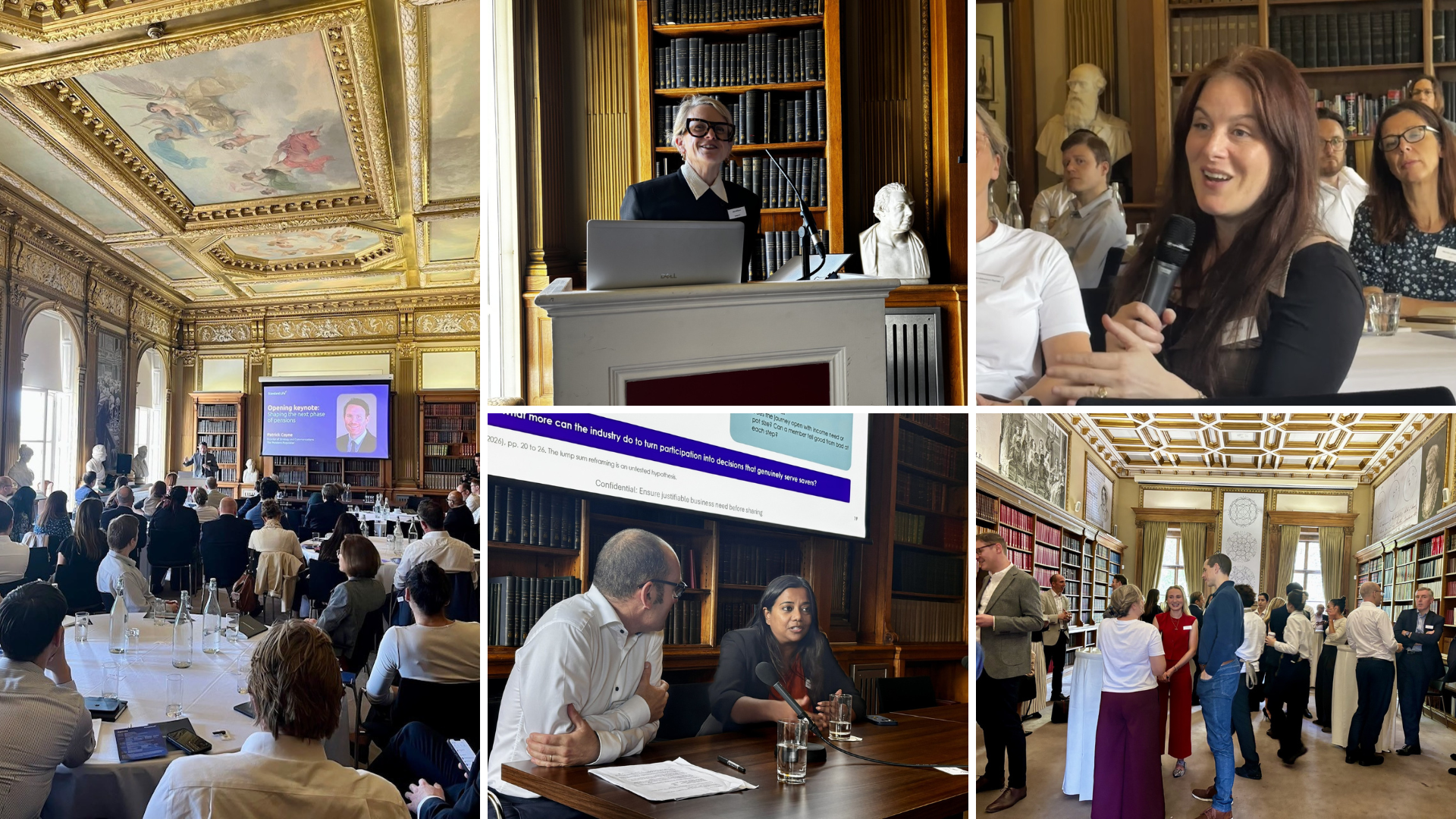
The future of pensions is taking shape. Regulatory reform, investment innovation and new approaches to retirement are creating opportunities to strengthen outcomes in later life and improve long-term financial security.
The challenge now is turning ambition into action and creating a retirement system fit for the generations who will depend on it.
That was the focus of this year's Pensions Masterclass, where we brought together voices from across the industry to explore how pensions can move from promise to progress.
Here, we share some of the key insights and discussions from the day.
Watch the highlights
Shaping the next phase of pensions
Opening the event, Patrick Coyne from The Pensions Regulator reflected on the regulatory roadmap ahead and challenged delegates to think about the practical steps needed to build a pensions system capable of delivering better retirement outcomes.
At the heart of his keynote were five questions every trustee board should be asking itself as the industry enters its next phase:
- Is our governance ready for what's coming?
Trustee boards must have the capacity and capability to deliver the best possible outcomes for members. For some smaller schemes, that may mean drawing on external expertise or considering whether consolidation could deliver greater value. - Is our data ready to support the future system?
High-quality data will be essential to support future developments, from pensions dashboards to emerging AI-enabled services. - Can our schemes demonstrate value for money?
With the Value for Money framework expected from 2027, schemes will need to understand their data and performance, with strong governance playing a critical role in interpreting the evidence and demonstrating value to members. - What retirement outcomes are we designing for our members?
Simply asking members to choose from a range of options at retirement is not a retirement solution. The focus must be on designing pathways that support better outcomes in later life. - What evidence would make us change course?
Strong governance means being prepared to challenge assumptions, adapt strategy and respond when evidence points to a better way forward.
Rather than viewing these as theoretical questions, Patrick challenged delegates to apply them in the first instance to a single scheme they work with. The exercise was a reminder that meaningful progress starts with understanding where we are today, being clear about where we're trying to get to, and being prepared to adapt along the way.

Panel discussion 1: Making investments work harder
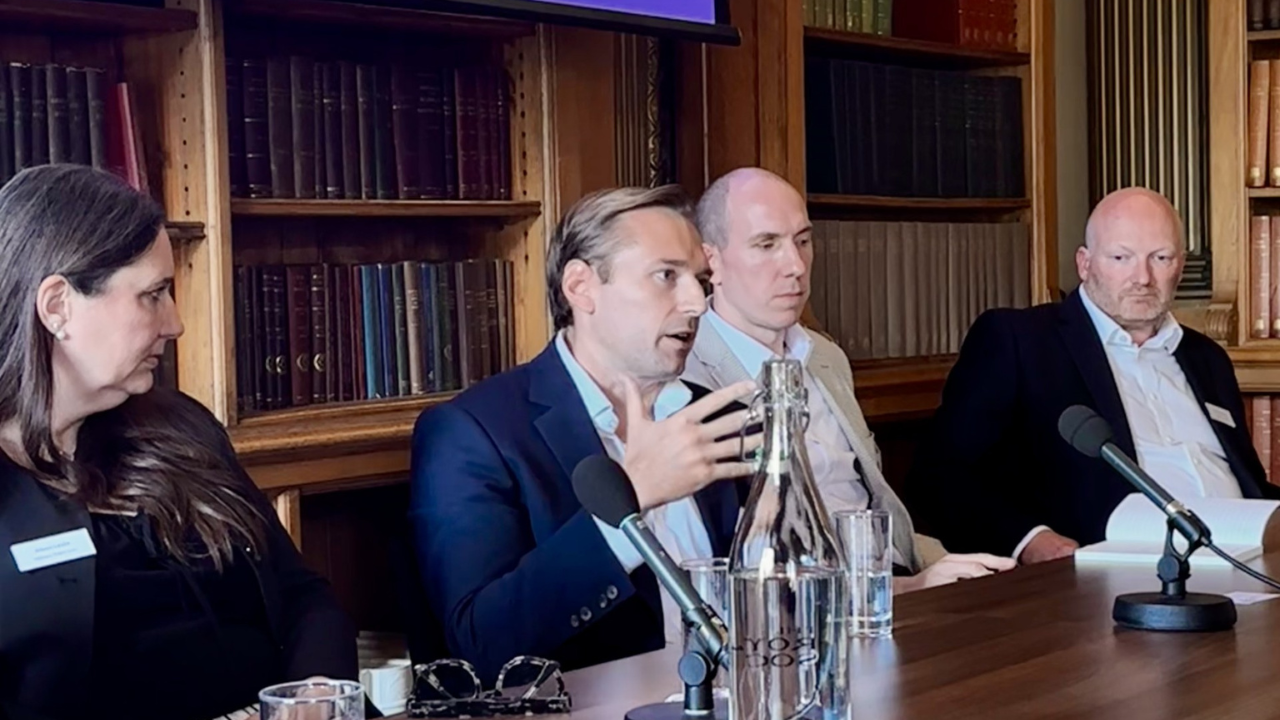
Our first panel explored how investment approaches may need to evolve as expectations around value, scale and retirement outcomes continue to rise.
Our panelists discussed what the emerging Value for Money framework could mean for investment strategy, alongside the growing focus on private markets and scale. They debated whether these opportunities require consolidation, or whether smaller schemes can achieve similar benefits through investment-level scale while preserving choice and competition.
While private markets have attracted significant attention, the discussion highlighted that public markets remain the foundation of most pension portfolios. The challenge is not simply accessing new asset classes but ensuring investment quality and strong implementation across the entire portfolio.
As members stay invested for longer, the panel also explored how retirement investment strategies will need to evolve. CDC formed an important part of the debate, particularly around its potential to improve retirement outcomes for many savers. However, panellists recognised that no single retirement model is right for everyone. Members in poorer health, for example, may be financially better served by an annuity, where enhanced rates can reflect health conditions and life expectancy.
While opinions differed on the role of scale, private markets and CDC, there was broad agreement that investment strategies must increasingly be designed around the realities of how people save, invest and retire today.
Helping members make better financial decisions
Our guest speaker, Dr Sujatha Krishnan-Barman from the Behavioural Insights Team, explored what behavioural science can tell us about helping people make better financial decisions throughout their savings and retirement journey.
A key theme was the gap between intention and action. Research shows that people do not always make decisions in the rational, considered way that the pensions industry often assumes. Drawing on a range of studies, Sujatha demonstrated how seemingly small changes in the way choices are presented can dramatically influence behaviour. In one pension transfer trial, savers were almost 20% more likely to choose an option that left them £1,000 worse off over five years when offered a £100 cashback incentive.
The discussion then turned to retirement, comparing four models currently being considered across the industry: drawdown, immediate annuities, flex and fix, and retirement CDC. Each relies on different assumptions about member behaviour and engagement.
The evidence suggests that retirement solutions requiring members to make significant decisions later in life may be inherently more vulnerable to disengagement and declining cognitive capacity. Approaches such as flex and fix and retirement CDC, where key decisions are made earlier or automated, may prove more resilient than solutions that depend on members repeatedly reviewing and adjusting their choices throughout retirement.
The session concluded with a simple but powerful message: education remains important, but making choices easier to understand can have a greater impact, while well-designed defaults can often be more effective still.

Panel discussion 2: Different journeys, same destination
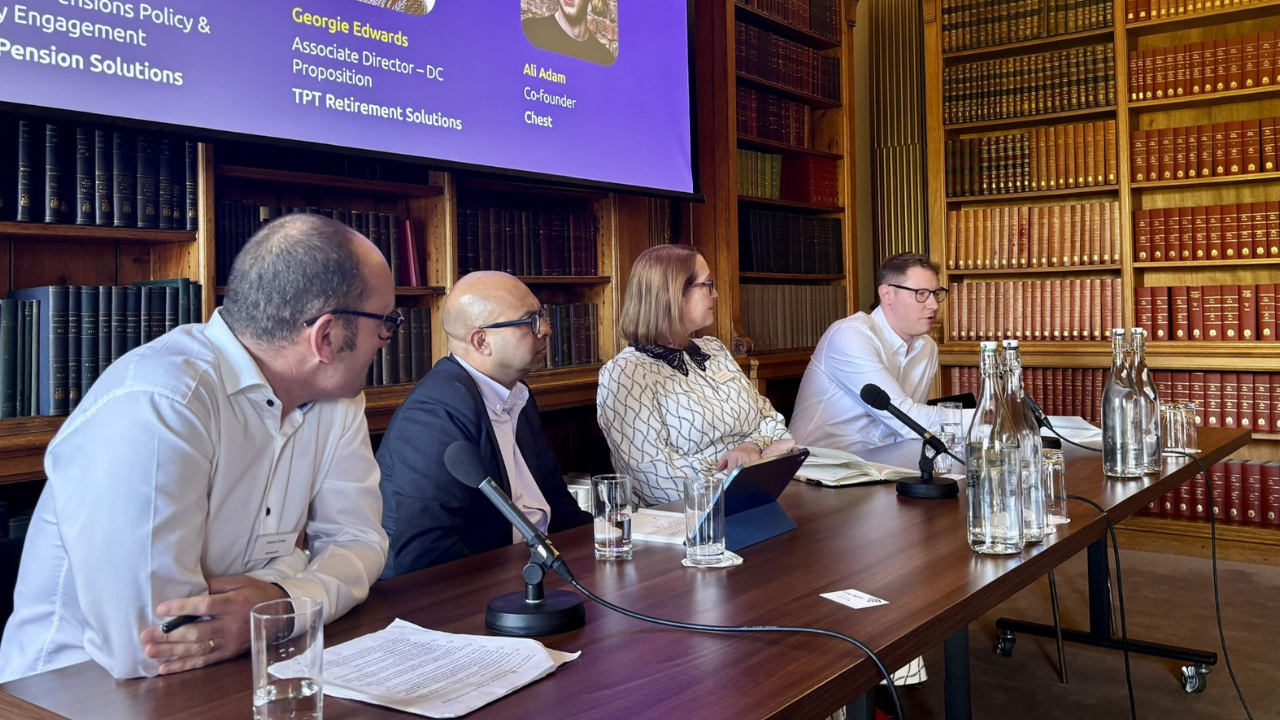
Our second panel explored how different routes to retirement should ultimately lead to the same goal: helping more people achieve financial security in later life.
A key theme was whether today's retirement system is keeping pace with changing patterns of work and saving. Recent research suggests younger generations are often highly engaged with their finances, but many aspects of the pensions system were designed for a world of long-term employment and more linear career paths. With people increasingly moving between employers, combining multiple careers or developing additional income streams, retirement saving can feel fragmented and disconnected.
The panel explored how the industry can encourage stronger saving behaviours through gamification, behavioural design and products that help people save through everyday activities, such as cashback and roundup features. Rather than asking younger savers to focus on retirement, which can feel a long way off, panelists discussed the importance of breaking long-term goals into more relatable steps. Showing how a contribution made today could grow over time was highlighted as a powerful way of connecting today's decisions with tomorrow's outcomes.
The discussion also recognised that while engagement is important, strong defaults and retirement pathways have a critical role to play for savers who may never actively engage with the decisions they face.
Trust emerged as another important theme. Many younger savers are being asked to plan decades into the future yet have grown up in a pensions system where the goalposts can appear to keep shifting. While initiatives such as the Pensions Dashboard may improve visibility and engagement, the discussion highlighted that building trust ultimately means giving people confidence that the system they are saving into today will continue to support them in the future.
From promise to progress
The discussions at this year's Pensions Masterclass reinforced that the industry is not short of ideas, ambition or innovation. The challenge is delivering meaningful change in practice.
The conversations focused not just on where the industry needs to go next, but how to get there. Across every session, speakers explored the actions, decisions and innovations that could help translate policy ambition, investment opportunity and behavioural insight into better outcomes for the people who will ultimately depend on the system.
The networking discussions were just as valuable as the sessions themselves, giving delegates the opportunity to exchange ideas, challenge assumptions and explore how collaboration across the industry can help accelerate progress.
We'd like to thank all our speakers, panelists and delegates for contributing to another successful Pensions Masterclass.
To continue the conversation and stay up to date with future events, market insights and thought leadership from Standard Life CIS, follow us on LinkedIn.